
Barrier first: why less is more in modern skincare
A twelve step routine is not a sign of care. We asked three dermatologists what they would cut from the average bathroom shelf, and the one thing none of them would give up.

The shortest routine that keeps the barrier intact will outperform the longest one that does not.
Ask a dermatologist what most people are doing wrong, and almost nobody says too little. The answer, reliably, is too much: too many actives, too often, on skin that has been quietly asking for a break for months.
The skin barrier is the outermost layer, a few dozen cells thick, made of flattened cells held together by lipids. The usual comparison is a brick wall, which undersells it. It keeps water in, keeps irritants and microbes out, and repairs itself continuously. Almost every complaint that sends someone to a clinic with the phrase sensitive skin turns out to involve a barrier that is not doing one of those three jobs properly.
What follows is not an argument for doing nothing. It is an argument for putting the barrier first and letting everything else compete for the remaining slots.
Signs your barrier is struggling
Products that used to be fine now sting for a few seconds when applied.
Skin feels tight shortly after cleansing, even before you have towelled off.
Persistent redness across the cheeks and around the nose that settles slowly, or not at all.
Rough, flaky patches sitting next to areas that feel oily. Dehydration and oiliness are not opposites.
What the dermatologists would cut
The three clinicians we spoke to work in different settings, a hospital dermatology department, a private aesthetic clinic and a paediatric practice. Their lists overlapped more than we expected.
Overlapping actives
Using a retinoid, an exfoliating acid and a vitamin C serum in the same week is common and rarely necessary. Each is defensible on its own. Stacked, they compete for the same skin and the cumulative irritation is usually blamed on whichever product was bought most recently.
Daily physical or chemical exfoliation
Skin sheds on its own. Exfoliation can help texture and congestion, but the useful frequency for most people is one to three times a week, not daily. The glow that follows aggressive exfoliation is partly inflammation, which is a poor thing to chase.
Foaming cleansers that leave skin squeaky
That clean feeling is the sound of lipids being stripped. A cleanser should leave skin comfortable. If you need to apply moisturiser immediately to feel normal, the cleanser is doing too much.
Alcohol heavy toners and astringents
Largely a holdover from a period when oily skin was treated as something to punish. Oil production is not meaningfully reduced by stripping the surface, and in some people it rebounds.

Most shelves contain three or four products doing the same job in slightly different packaging.
Nobody in the field is impressed by the length of your routine. They are interested in whether your barrier is intact.
The one thing none of them would drop
All three named sunscreen, without hesitation, as the product they would keep if forced to choose one. It is the only step in a standard routine with strong long term evidence behind it for both skin cancer risk and visible photoageing, and it is also the step most often skipped on cloudy days, in winter, and by people who work indoors.
Two of the three named a plain moisturiser second. Not a treatment cream, not an anti ageing formula, just something that supports the barrier and slows water loss. The third argued for a gentle cleanser in that slot on the grounds that a bad cleanser undoes whatever follows it.
The two week reset
If your skin is currently reactive, this is the sequence most clinicians use before they add anything back. It is deliberately boring.
Stop every active
Retinoids, acids, vitamin C, scrubs, brushes and any product marketed as brightening or resurfacing. All of it, at once, not tapered.
Cleanse once a day
In the evening, with something gentle and non foaming. In the morning, water alone is enough for most people during a reset.
Moisturise twice, sunscreen once
A simple moisturiser morning and evening, and sunscreen every morning regardless of the weather or your plans. That is the entire routine for fourteen days.
Reintroduce one thing
After two weeks, add back a single active, twice a week, and wait a month before adding anything else. Adding two at once means you learn nothing about either.

Comfort usually returns within days. Texture and tone take longer, and that is normal.
When less is not the answer
Minimalism is a default, not a rule. Acne, rosacea, eczema and pigmentation disorders are medical conditions, and they often need active treatment rather than a shorter routine. Someone with moderate acne who cuts back to cleanser and moisturiser is likely to get worse, not better.
The distinction worth holding on to is this: simplify what you bought yourself, and treat what a clinician diagnosed. If you have been managing something on your own for more than a few months without progress, that is the point to book an appointment rather than buy another serum.
Read next
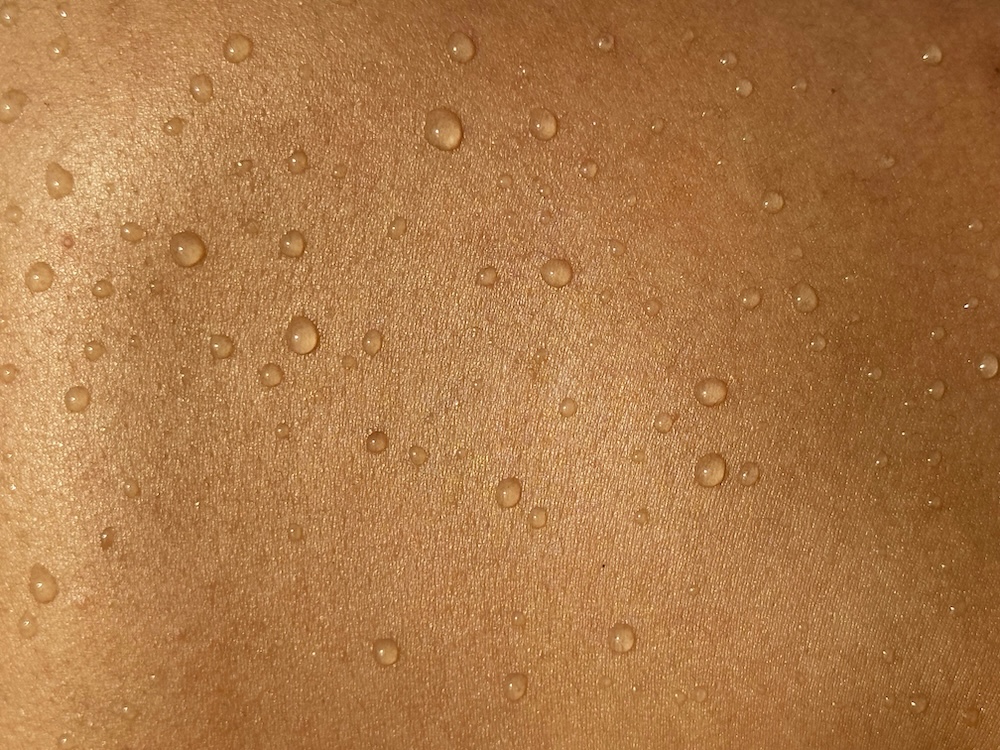
The evening ritual: how skin repairs itself overnight
Cell turnover peaks while you sleep. Here is what that means for the order of your products, and which steps are better left for morning.
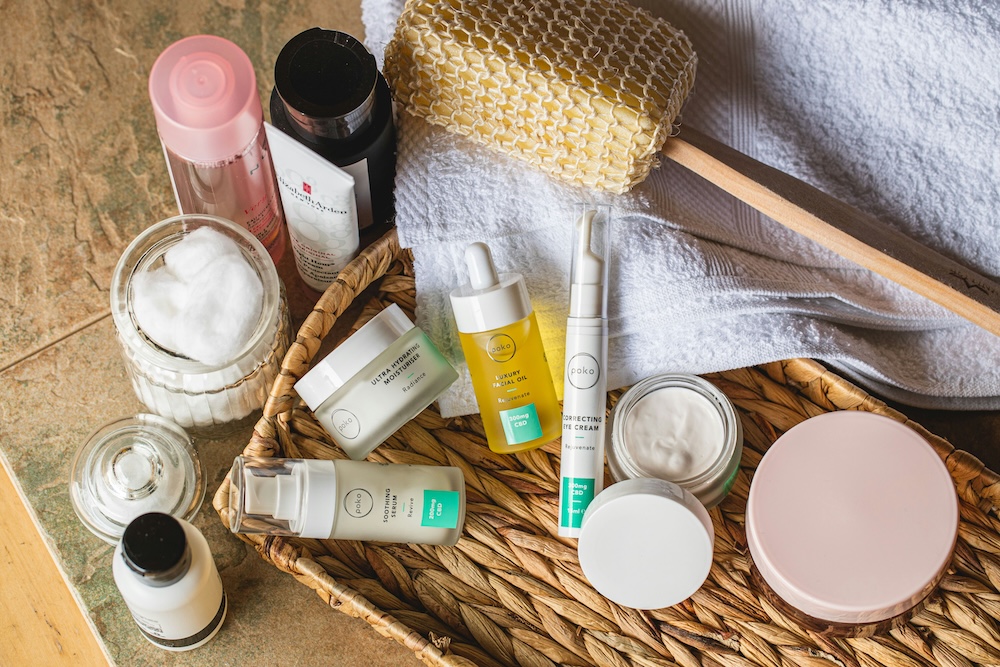
Sun, skin and the long game: daily protection explained
Filters, formats and the reapplication problem nobody solves. A plain reading of what the evidence supports and what it does not.

One considered email, every Sunday morning
New research, tested products and a short answer to one reader question. No hype, no affiliate noise, and nothing we would not use ourselves.
Free forever · Unsubscribe any time