
The evening ritual: how skin repairs itself overnight
Cell turnover, water loss and barrier repair all follow a daily clock. Understanding that clock explains why the order of your products matters more after dark than it does at breakfast.
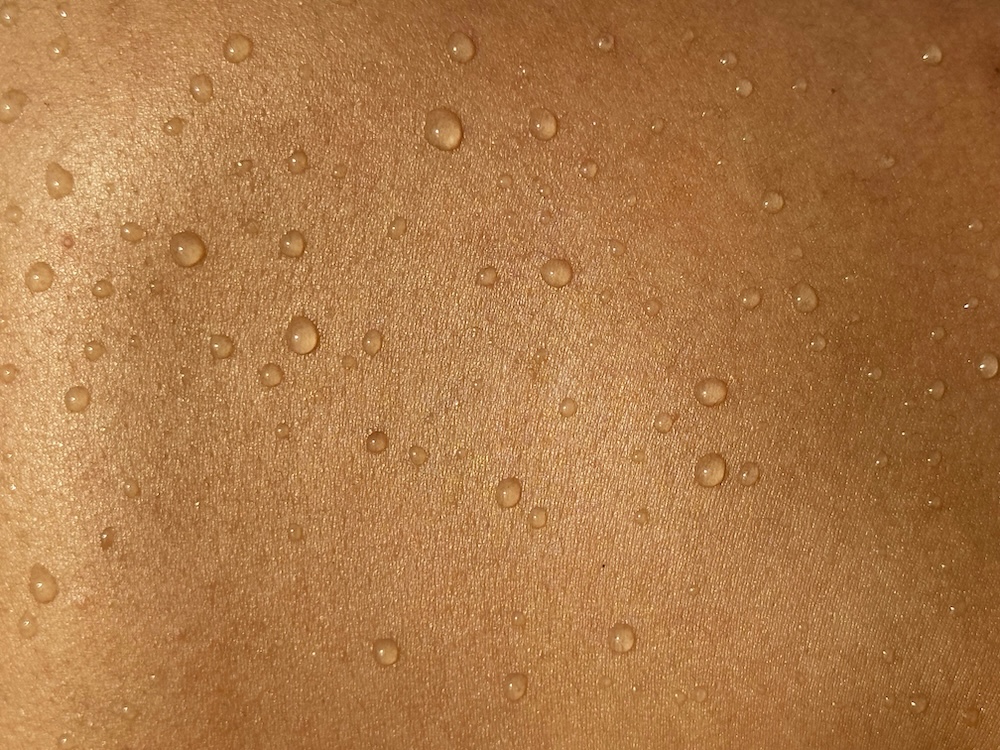
Night is when the skin stops defending and starts rebuilding. The routine should reflect that.
Your skin does not run at a constant speed. Like body temperature, cortisol and sleep itself, it follows a circadian rhythm, and the version of your skin that shows up at eleven at night is measurably different from the one you washed at seven in the morning.
The morning version is in defence mode. Sebum production climbs toward midday, the barrier is at its most robust, and the skin is braced for what the day brings: ultraviolet light, pollution, temperature swings, friction. The evening version has a different job. Blood flow to the skin increases, temperature rises slightly, and the rate at which skin cells divide climbs to its daily peak in the small hours. Repair happens on the night shift.
This is not marketing language borrowed from a night cream box. It is a reasonably well documented pattern in dermatology research, and it has practical consequences for what you put on your face and in what order.
The short version
Skin cell turnover peaks overnight, which makes the evening the sensible slot for active ingredients that support renewal.
Water loss through the skin also rises at night, so the last step of your routine matters more than the first.
Retinoids belong at night because light degrades them, not because they are dangerous after dark.
A short routine you complete every night beats a long one you abandon on Thursdays.
Water leaves faster while you sleep
Transepidermal water loss, the quiet evaporation of moisture through the outer layer of skin, is not constant across the day. It rises in the evening and stays elevated through the night. Combine that with a warm bedroom, dry winter air or a duvet that traps heat, and you have several hours during which your skin loses water faster than it can replace it.
This is the single best argument for a proper final layer at night. Not necessarily a thick cream, and not necessarily an expensive one, but something that slows evaporation: an occlusive or emollient moisturiser applied as the last step, over everything else. If you wake up with skin that feels tight before you have touched it, this is usually the missing piece rather than a sign that you need a stronger active.
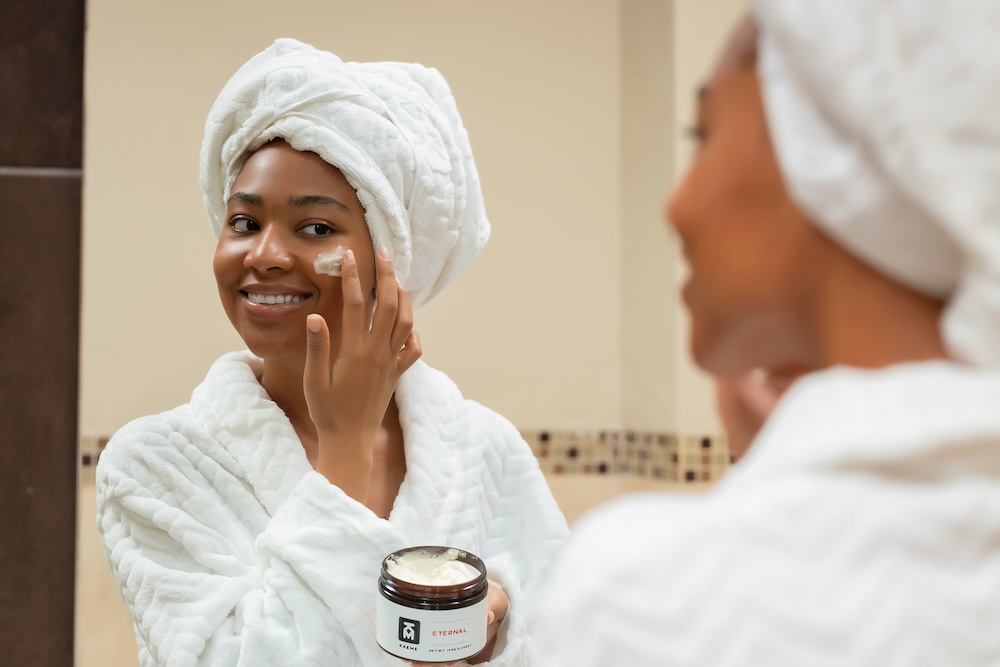
Fewer products, applied in a consistent order, outperform a crowded shelf used at random.
Why actives moved to the evening
Retinoids are the clearest case. They are photolabile, meaning light breaks them down, so applying them in the morning wastes most of the dose before it can do anything useful. They also increase sensitivity to sunlight, which makes an evening application the practical choice rather than a superstition.
Exfoliating acids follow similar logic, though for a slightly different reason. Freshly exfoliated skin is briefly more vulnerable, and pairing that with a day of sun exposure is an avoidable risk. Vitamin C is the usual exception people cite for the morning, and there is a reasonable argument for it as an antioxidant layered under sunscreen, though the evidence is less decisive than the marketing suggests.
A night routine is not a longer version of a morning routine. It is a different task with a different goal.
A four step evening routine
The order below is deliberately conservative. It is designed to be finished in under five minutes on a bad night, which is the only kind of routine that survives contact with real life.
Cleanse, properly but gently
Remove sunscreen, makeup and the day. If you wear either, a first oil or balm cleanse followed by a gentle water based one is worth the extra minute. Skin should feel clean, never squeaky. Tightness after cleansing is a sign the cleanser is too aggressive.
Treat, on a schedule
This is where a retinoid or an acid goes, on dry skin, in a pea sized amount for the whole face. Two or three nights a week is a legitimate long term schedule, not a beginner phase. On the other nights, skip it entirely.
Support the barrier
Ingredients like niacinamide, ceramides, glycerin and panthenol do the unglamorous work of helping the barrier hold together. They pair well with actives and are the reason many people tolerate a retinoid they previously could not.
Seal it in
The final layer slows overnight water loss. Richer in winter, lighter in summer, and applied to the neck as well. If your skin is very dry, applying it to slightly damp skin gives you a little more mileage.
The part that is not in a bottle
Sleep quality itself shows up in the skin, and not only as under eye shadows. Poor sleep is associated with slower barrier recovery and higher perceived signs of ageing in controlled studies, which is a polite way of saying that no serum compensates for four hours a night over a long period.
The same is true of the bedroom environment. Dry heated air pulls moisture from skin all night. A humidifier in winter does more for dehydrated skin than most products at the same price. Clean pillowcases matter for acne prone skin, though rather less than the internet insists, and washing them weekly is sufficient.
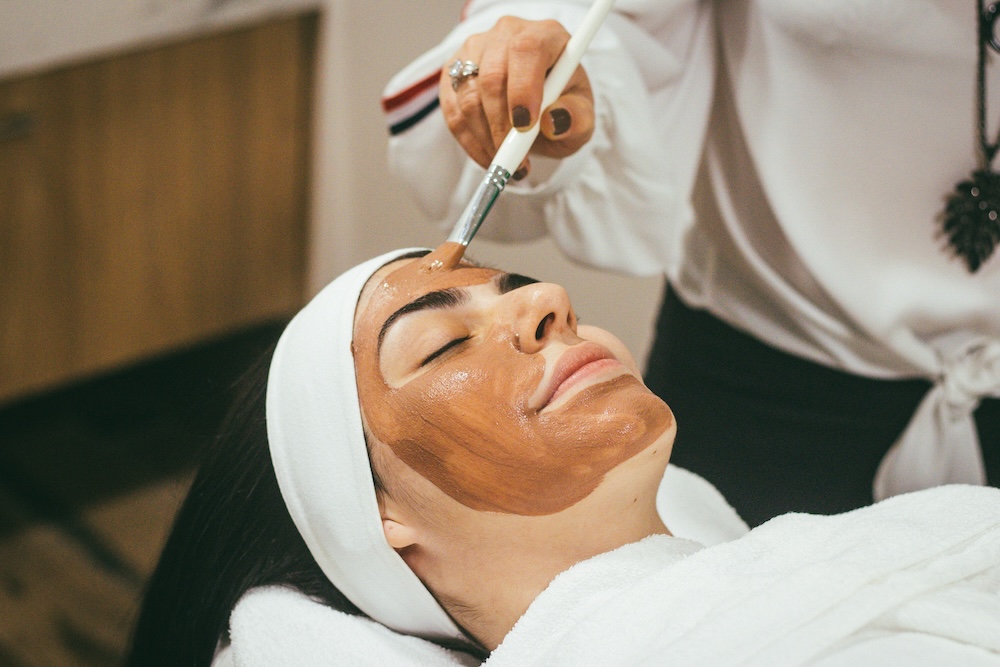
The most underrated step in any evening routine is the seven hours that follow it.
What to expect, and when
Skin renews itself on a cycle of roughly four to six weeks, longer as you get older. That is the honest timeline for judging any change to an evening routine. Hydration and comfort often improve within days, because those depend on water content rather than cell turnover. Texture, tone and fine lines take months, and anything promising otherwise is selling something.
If a new routine causes persistent stinging, redness that does not settle within a day, or flaking that gets worse rather than better over three weeks, that is the barrier telling you the pace is wrong. Stop the actives, return to cleanse and moisturise only for a week or two, then reintroduce more slowly. This is not failure. It is the correct response.
Read next

Barrier first: why less is more in modern skincare
A twelve step routine is not a sign of care. We asked three dermatologists what they would cut, and what they would never give up.
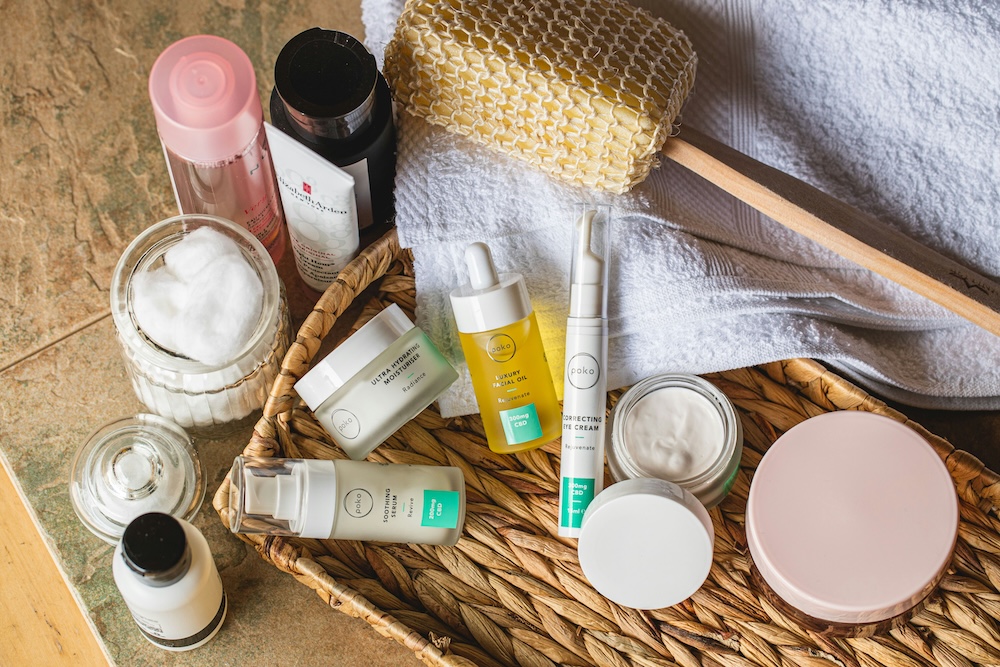
Sun, skin and the long game: daily protection explained
Filters, formats and the reapplication problem nobody solves. A plain reading of what the evidence supports and what it does not.

One considered email, every Sunday morning
New research, tested products and a short answer to one reader question. No hype, no affiliate noise, and nothing we would not use ourselves.
Free forever · Unsubscribe any time