
Sun, skin and the long game: daily protection explained
Filters, formats and the reapplication problem nobody has solved. A plain reading of what the evidence actually supports, and where the marketing runs ahead of it.
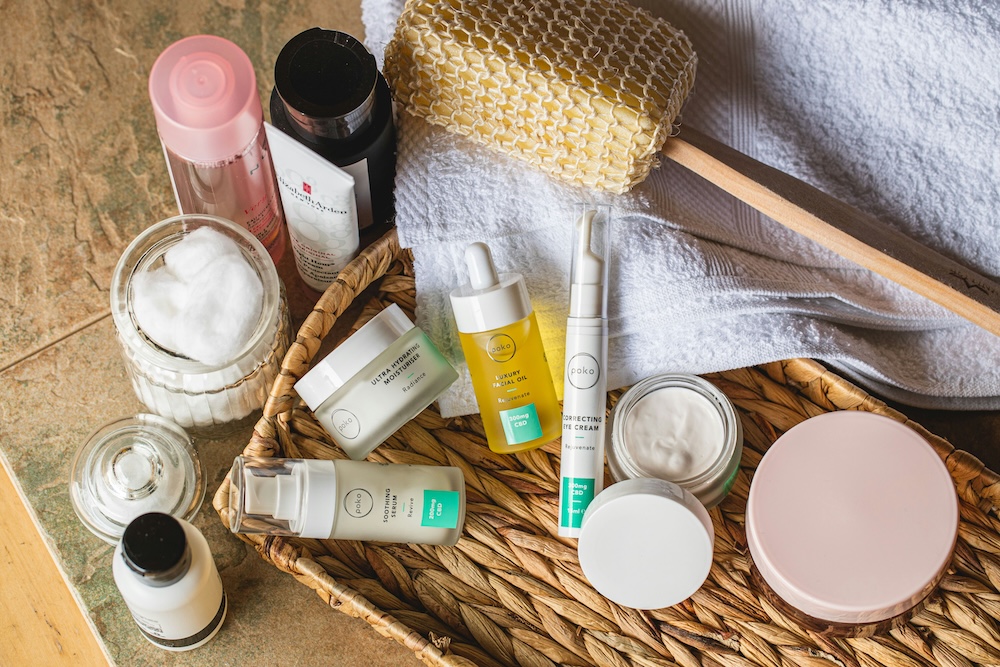
Sunscreen is the one step in a routine with decades of outcome data behind it, and the one most often applied wrong.
If you only ever do one thing for your skin, the evidence points in a single direction, and it is not the serum. Daily sun protection sits behind more of what people describe as ageing than any other controllable factor, and it is the only routine step with long term trial data supporting both cosmetic and medical outcomes.
It is also the step where the gap between what people believe they are doing and what they are actually doing is widest. Most of that gap has nothing to do with which bottle they bought.
UVA, UVB, and why the number on the front is only half the story
Ultraviolet light reaching the ground comes in two forms that matter here. UVB is the shorter wavelength, more intense in summer and at midday, and it is the main driver of sunburn and of direct damage to DNA in skin cells. UVA penetrates more deeply, stays relatively constant across seasons and daylight hours, passes through window glass, and is more strongly associated with the collagen breakdown and pigment changes people recognise as photoageing.
The SPF number on the front of the bottle measures protection against UVB only. A product can carry a high SPF and offer comparatively weak UVA protection, which is why labelling systems exist to describe the second half. In the European Union, a circled UVA symbol indicates that UVA protection is at least one third of the labelled SPF. In much of Asia, the PA rating with its plus signs does similar work. In the United States, the term is broad spectrum. Different systems, same underlying point: look for the UVA indicator, not only the number.
What the numbers mean in practice
SPF 30 filters roughly 97 per cent of UVB. SPF 50 filters roughly 98 per cent. The jump is real but small, and it is not double the protection.
Those figures come from lab testing at an application thickness almost nobody achieves at home.
Applying half the tested amount does not give you half the SPF. It gives you considerably less.
A higher SPF applied thinly is a reasonable hedge against the way people actually use the product.
Mineral or chemical is the wrong question
Filters fall broadly into two groups. Mineral filters, zinc oxide and titanium dioxide, sit largely on the surface and work mainly by absorbing and to a lesser extent scattering ultraviolet light. Organic filters, still widely called chemical, absorb ultraviolet energy and release it as heat.
Both work. Mineral formulas tend to suit reactive skin and are the usual recommendation for young children, at the cost of a white cast that varies enormously by formulation and is more visible on deeper skin tones. Modern organic filters, particularly the newer ones available in Europe and Asia, tend to be cosmetically lighter and are often better at the UVA end of the spectrum.
The honest position is that the best sunscreen is the one you will apply generously every morning without resenting it. A superior formula used twice a week loses to an adequate one used daily.

Texture is not a vanity concern. It is the single strongest predictor of whether a sunscreen gets used.
Almost every sunscreen failure is an application failure. The chemistry is rarely the weak link.
How much, and the reapplication problem
Laboratory SPF testing uses two milligrams of product per square centimetre of skin. Translated to a face and neck, that is roughly a quarter to a third of a teaspoon, or the often quoted two finger lengths squeezed along the index and middle fingers. Most people apply somewhere between a quarter and half of that, which is why real world protection routinely falls short of the label.
Reapplication is the part nobody has solved. Guidance says every two hours of meaningful exposure, and more often after swimming, sweating or towelling. That is straightforward at the beach and genuinely awkward over makeup at two in the afternoon in an office. Powders and sprays exist for this reason, and they are better than nothing, but the amount delivered is usually well below the tested thickness. Treat them as a top up, not as a full second coat.
If you spend the day indoors away from windows, the case for midday reapplication is much weaker. The morning application is doing the work, and the honest advice is to prioritise applying enough at the start rather than worrying about a top up you will not do.
Measure once, then learn the feel
Squeeze a quarter teaspoon onto a spoon a few times so you know what the correct amount looks like in your palm. After a week you will not need to measure.
Apply last, before makeup
Sunscreen goes after moisturiser and before anything cosmetic. Give it a few minutes to settle rather than immediately layering on top.
Do not stop at the jawline
Neck, ears, the back of the hands and the strip of scalp along a parting are the areas that quietly accumulate the most damage because they are skipped most consistently.
Let clothing do the heavy lifting outdoors
A hat, sleeves and shade outperform any bottle on a long day outside, and they do not need reapplying. Sunscreen is for the skin you cannot cover.
Four things people get wrong
The SPF in your foundation counts
It rarely does. The tested protection assumes a thickness of foundation that would look like stage makeup. Treat any SPF in a cosmetic product as a small bonus on top of a real sunscreen.
Cloudy days are safe days
Cloud cover reduces ultraviolet reaching the ground, but a substantial fraction still gets through, and UVA in particular is far less seasonal than people assume. Winter and overcast mornings still count.
Deeper skin tones do not need it
Higher melanin content does provide meaningful additional protection against burning, but it does not prevent photoageing, and it does not eliminate skin cancer risk. It also does nothing to prevent the pigmentation problems, melasma and post inflammatory marks, that are among the most common reasons people with deeper skin tones seek dermatological care in the first place. Daily protection is arguably more relevant there, not less.
Sunscreen will block vitamin D
Real world studies have generally not shown regular sunscreen use causing deficiency, in part because nobody applies it perfectly. If you have low vitamin D, the sensible answer is testing and supplementation rather than deliberate unprotected exposure, which trades one problem for a worse one.

Protection is prevention. Checking your skin is the other half of the same habit.
The long game
The reason this step is worth the tedium is that the results are invisible while you are earning them. Nobody notices the pigmentation they did not develop. The trial evidence for daily sunscreen use, most notably a long running Australian study followed up over many years, points toward measurably less visible ageing and reduced skin cancer incidence in the groups that used it consistently.
That is a long payoff horizon, which is exactly why the routine has to be low friction. Find a formula you like on your skin, buy it in a size large enough that you are not rationing it, and put it somewhere you will see it every morning. That is most of the strategy.
Read next
The evening ritual: how skin repairs itself overnight
Cell turnover peaks while you sleep. Here is what that means for the order of your products, and which steps are better left for morning.

Barrier first: why less is more in modern skincare
A twelve step routine is not a sign of care. We asked three dermatologists what they would cut, and what they would never give up.
One considered email, every Sunday morning
New research, tested products and a short answer to one reader question. No hype, no affiliate noise, and nothing we would not use ourselves.
Free forever · Unsubscribe any time